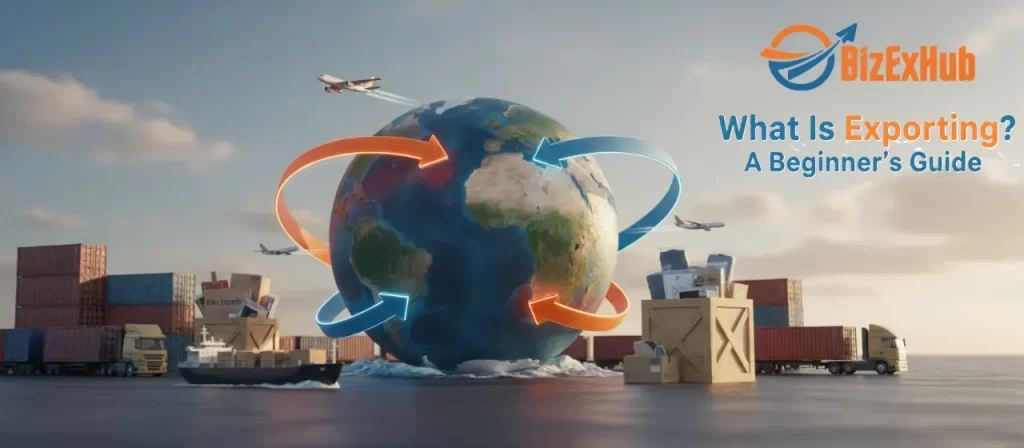
Global trade connects producers, manufacturers, and consumers around the world. For anyone planning to start an export or import business, logistics can seem complicated — multiple countries, modes of transport, customs procedures, and endless paperwork.
That’s where freight forwarders come in. They are the bridge that connects your product to the global marketplace. Understanding their role can make the difference between a smooth export journey and a stressful, costly one.
What Is a Freight Forwarder?
A freight forwarder is a professional or company that manages the international movement of goods on behalf of exporters and importers. They don’t usually own ships or planes themselves; instead, they coordinate the entire logistics chain, choosing the best routes, negotiating freight rates, and ensuring your goods reach their destination safely and on time.
Think of them as your international trade partner — they handle shipping, documentation, and compliance so that you can focus on your core business.
Key Functions of Freight Forwarders
-
Transportation & Carrier Booking
Freight forwarders arrange transport by sea, air, rail, or road. They book cargo space with shipping lines or airlines and coordinate multimodal routes (for example, sea + rail + truck) to ensure efficient delivery. -
Documentation Management
Exporting involves several documents — commercial invoices, packing lists, bills of lading, certificates of origin, export declarations, and more. A freight forwarder prepares and manages these on your behalf, ensuring all are correct and compliant with international rules. -
Customs Clearance & Compliance
Each country has its own import/export regulations. Forwarders work with customs agents to clear goods quickly, calculate duties and taxes, and avoid penalties or shipment delays. -
Cargo Consolidation & Warehousing
For smaller shipments, forwarders can combine multiple exporters’ goods into a single container (called “consolidation”), reducing costs. Many also provide short-term warehousing and distribution services. -
Insurance & Risk Management
International shipping carries risks — damage, loss, or delay. Forwarders help arrange cargo insurance and advise on proper packaging, handling, and risk mitigation. -
Supply-Chain Visibility & Tracking
Most modern freight forwarders offer digital tracking systems, allowing exporters to monitor shipments in real time, improving transparency and trust. -
Consulting & Strategy Support
Experienced forwarders provide advice on trade routes, cost comparisons, Incoterms (such as FOB, CIF, DDP), and help you choose the best shipping strategies for your product and destination.
Why Freight Forwarders Are Essential for Exporters
-
They simplify complex global trade processes. Forwarders understand every step of international logistics so you don’t have to.
-
They save time and reduce costs. Their experience helps avoid common mistakes and unnecessary expenses.
-
They provide access to global carrier networks. You benefit from their partnerships with shipping lines, airlines, and agents worldwide.
-
They handle regulations and paperwork. Compliance errors can be costly; forwarders ensure your shipment meets all legal requirements.
-
They help you focus on your business. Instead of dealing with transport and customs, you can focus on production, marketing, and growth.
Trends in Freight Forwarding (2025 Outlook)
-
Digitalisation:
Modern freight forwarders are using technology like AI, real-time tracking, and digital documentation to make shipping faster and more transparent. -
Green Logistics:
Sustainability is now a global priority. Forwarders are offering eco-friendly options such as carbon-neutral shipping, energy-efficient routes, and recyclable packaging. -
Resilience & Risk Planning:
After disruptions like pandemics and trade conflicts, forwarders now focus on building resilient supply chains with flexible routes and alternative transport modes. -
Support for Small Businesses:
Many forwarders are tailoring services for small and medium exporters — offering affordable, simplified packages for those entering international markets for the first time. -
Evolving Trade Regulations:
Governments are introducing new digital customs systems, data requirements, and environmental rules. Forwarders help exporters stay compliant with these updates.
Challenges in Global Logistics
Even in 2025, exporters and forwarders face challenges such as rising freight costs, port congestion, container shortages, and changing customs laws. However, by partnering with a reliable freight forwarder, most of these risks can be anticipated and managed effectively.
Tips for New Exporters Working with Freight Forwarders
-
Choose the right partner. Look for a forwarder with experience in your product type and destination market.
-
Understand your Incoterms. These define who is responsible for transport, insurance, and customs costs.
-
Prepare accurate documents. Mistakes cause costly delays — always double-check invoices, packing lists, and HS codes.
-
Ask for transparent pricing. Request a detailed cost breakdown before booking shipments.
-
Communicate regularly. Stay in touch with your forwarder to track progress and resolve issues early.
-
Treat them as a business partner. A strong long-term relationship helps you expand globally with confidence.
Final Takeaways
Freight forwarders are more than just shipping agents — they are strategic partners in international trade. They bring together logistics expertise, documentation accuracy, and regulatory knowledge to make global trade simple, efficient, and reliable.
For entrepreneurs and small businesses dreaming of going global, understanding and working with a trusted freight forwarder is one of the smartest first steps toward export success.
If you’re ready to start your export journey or want guidance on choosing a reliable freight forwarder, you can reach us at BizExportHub – [email protected].
Together, we can make your business ready for the world.