
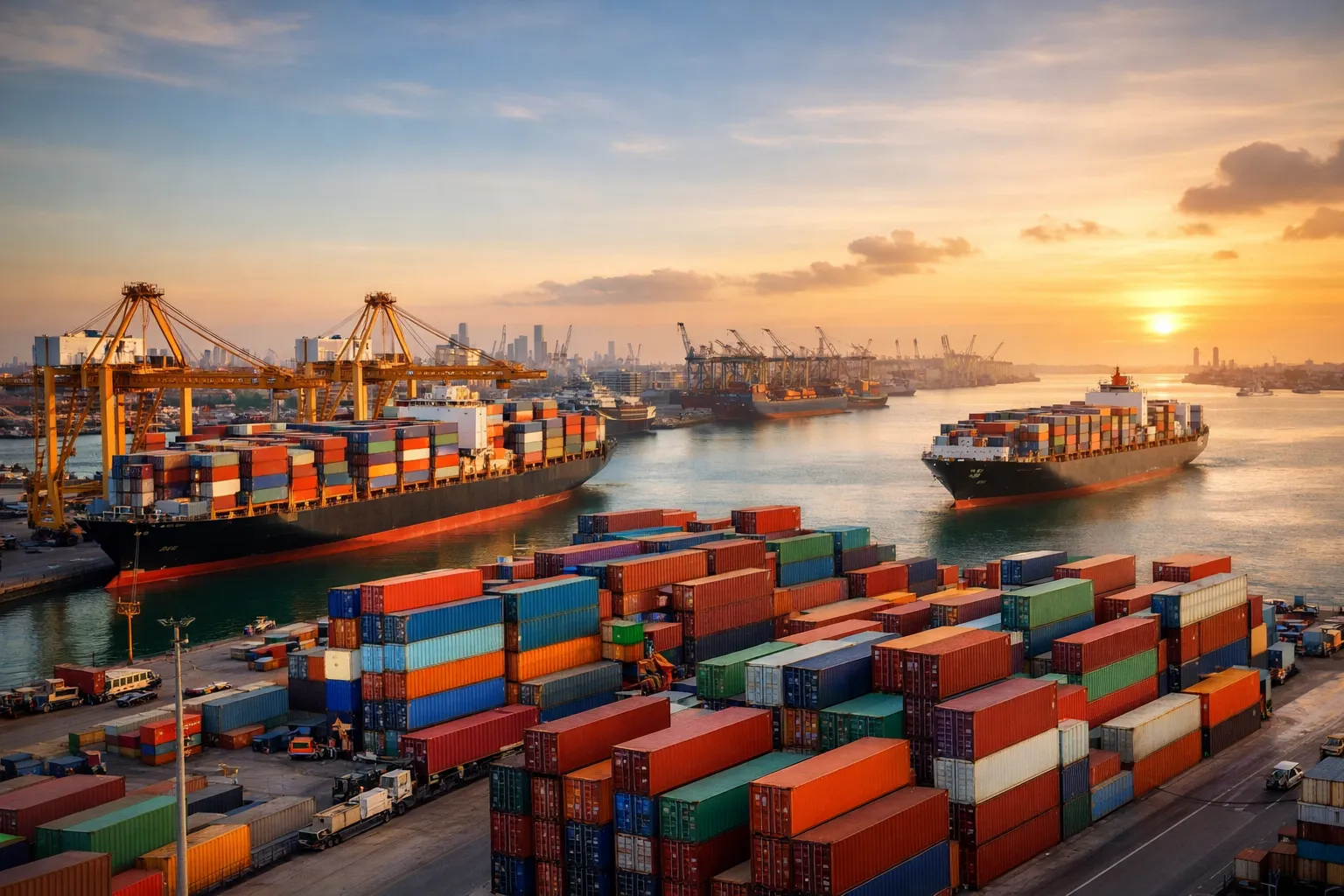
Scaling an export business requires more than increasing shipment size. It demands stronger systems, financial planning, operational control, and long-term buyer strategy. Growth must be structured and sustainable.
At Biz Export Hub, we work with exporters worldwide who want to move from small, occasional shipments to consistent large-volume international trade. Scaling is not luck — it is a strategic upgrade of your entire export structure.
Below is a practical roadmap to help you transition successfully.
Strengthen Operational Capacity
Before expanding sales, evaluate whether your production system can support higher demand.
Ask:
-
Can production capacity double without affecting quality?
-
Are your suppliers reliable for bulk raw materials?
-
Is your quality control process standardized?
-
Can packaging and labeling handle larger batches efficiently?
Growth without operational stability leads to shipment delays and damaged buyer trust. Controlled expansion ensures consistency.
Secure Long-Term Buyer Agreements
Small exporters often rely on one-time purchase orders. Scaling requires predictable, recurring revenue.
To move forward:
-
Negotiate multi-shipment or annual supply contracts
-
Offer structured volume-based pricing
-
Maintain transparent communication
-
Share realistic production schedules
Biz Export Hub encourages exporters to focus on long-term partnerships rather than isolated deals.
Strengthen Financial Planning
Larger volumes increase both revenue and risk.
Before scaling, evaluate:
-
Working capital requirements
-
Payment term exposure
-
Currency fluctuation risks
-
Access to trade finance
Accepting large orders without financial planning can strain cash flow. Strong financial discipline supports sustainable growth.
Optimize Cost Structure for Volume
When export volume increases, efficiency should improve.
Focus on:
-
Bulk purchasing discounts
-
Full container load freight optimization
-
Long-term logistics contracts
-
Lower per-unit operational costs
Even if per-unit margins slightly decrease, total profitability should increase with volume.
Diversify Markets Strategically
Relying on one buyer or one country is risky.
Scaling should include:
-
Entering new geographic markets
-
Expanding through distributors
-
Targeting wholesale and institutional buyers
-
Leveraging trade agreement regions
Biz Export Hub supports exporters in identifying new market opportunities while reducing over-dependence on a single region.
Implement Systems and Technology
Manual operations restrict growth.
As order volume increases, implement:
-
Inventory management systems
-
Order tracking processes
-
Customer relationship management tools
-
Automated documentation workflows
Efficient systems reduce errors and support higher transaction volumes.
Strengthen Supply Chain Reliability
Scaling depends on supply chain stability.
Ensure:
-
Multiple supplier options
-
Long-term procurement agreements
-
Safety stock for key materials
-
Reliable freight partners
Disruptions become more costly as shipment size increases. Planning prevents instability.
Build a Dedicated Export Team
As business grows, responsibilities must be clearly defined.
Consider establishing roles such as:
-
Export operations manager
-
Documentation specialist
-
Logistics coordinator
-
International sales manager
Delegation increases efficiency and reduces operational mistakes.
Enhance Brand Credibility
Large international buyers evaluate suppliers carefully.
Improve your positioning by:
-
Highlighting production capacity
-
Showcasing certifications
-
Presenting case studies
-
Demonstrating quality control systems
A professional brand image builds confidence and attracts higher-value contracts.
Monitor Performance Metrics
Scaling must be measurable.
Track:
-
On-time delivery rate
-
Order accuracy
-
Gross profit margin
-
Buyer retention rate
-
Average order value
Data-driven management ensures growth remains profitable.
Final Perspective
Scaling an export business is a transformation from small transactional selling to structured global supply operations.
At Biz Export Hub, our mission is to help exporters build resilient, scalable systems that support long-term international growth. The objective is not just larger shipments — it is creating a dependable export enterprise capable of serving global markets consistently and profitably.