At Biz Export Hub, we’ve been connecting exporters and buyers of industrial machinery since 2015. Over the past decade, we’ve seen how global demand for engineering, packaging, agricultural, and construction machines has evolved — and how exporters can take advantage of those opportunities with the right approach.
If you’re planning to start or expand your machinery export business this year, this step-by-step guide to exporting industrial machinery in 2025 will help you navigate every stage confidently — from documentation to delivery.
Step 1: Research Global Demand and Choose the Right Markets
From our experience working with exporters in over [X] countries, the first step is always market research.
Study where your machinery is most in demand and analyze trends in pricing, regulation, and buyer behavior.
Useful resources:
-
UN Comtrade, ITC Trade Map
-
Reports from Export Promotion Councils
-
Real-time buyer inquiries from our portal
Insight from 2025: Demand for used construction, textile, and packaging machinery remains strong in Africa, Southeast Asia, and the Middle East.
Step 2: Make Your Machines Export-Ready
We’ve seen that exporters who invest in certifications and proper documentation close deals faster and attract higher-value buyers.
Your pre-export checklist:
-
CE / ISO / UL certifications (as required)
-
Technical and safety manuals in English
-
Heavy-duty export packaging
-
Clear labeling with serial numbers and model details
Tip: Always include spare parts and service information — it increases buyer confidence.
Step 3: Complete Export Registration
If you’re exporting from India or similar markets, ensure you have the basic trade documents ready:
-
Import Export Code (IEC) from DGFT
-
Registration with your Export Promotion Council (e.g., EEPC India)
-
Current Account for international transactions
We’ve helped many new exporters complete these formalities quickly to start listing their machines online.
Step 4: Find Genuine Buyers
Finding verified buyers is often the toughest step — and that’s where we specialize.
Since 2015, we’ve helped thousands of exporters:
-
Showcase their machinery to verified international buyers
-
Respond to authentic export inquiries
-
Build trust through transparent listings and documentation
You can also explore opportunities via:
-
International trade fairs and exhibitions
-
LinkedIn B2B outreach
-
Trade directories via embassies and chambers of commerce
Tip: Always request verification or use a platform that pre-verifies buyers before sharing final terms.
Step 5: Negotiate and Confirm Terms
Clear communication is key. Discuss:
-
Price and Incoterms (FOB, CIF, EXW)
-
Payment method (LC, advance, etc.)
-
Warranty, service, and installation terms
-
Delivery timelines
Once both sides agree, issue a Proforma Invoice (PI) as a formal offer.
Step 6: Prepare Export Documentation
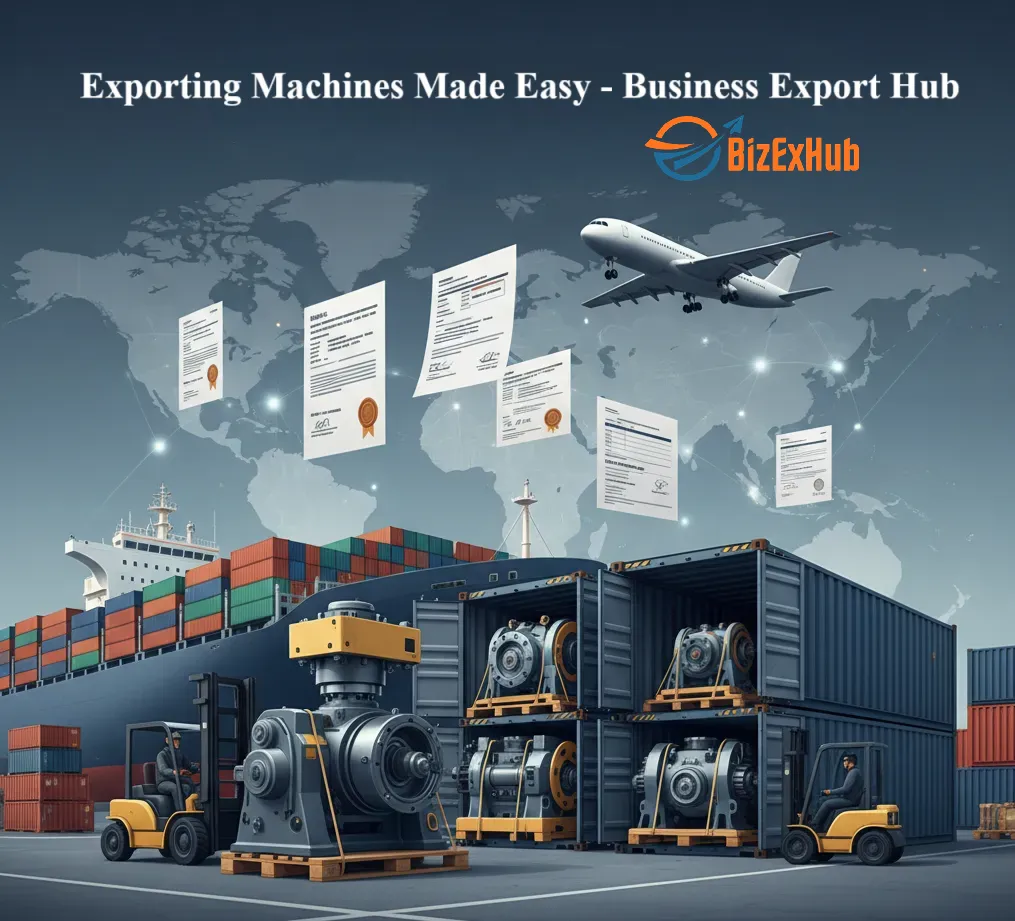
Here’s the list of documents you’ll typically need for machinery exports:
-
Commercial Invoice & Packing List
-
Bill of Lading / Airway Bill
-
Certificate of Origin
-
Insurance Certificate
-
Inspection Certificate (if applicable)
-
Export Declaration / Shipping Bill
Tip: Even experienced exporters sometimes face shipment delays due to document mismatches — always double-check everything.
Step 7: Plan Shipping and Logistics
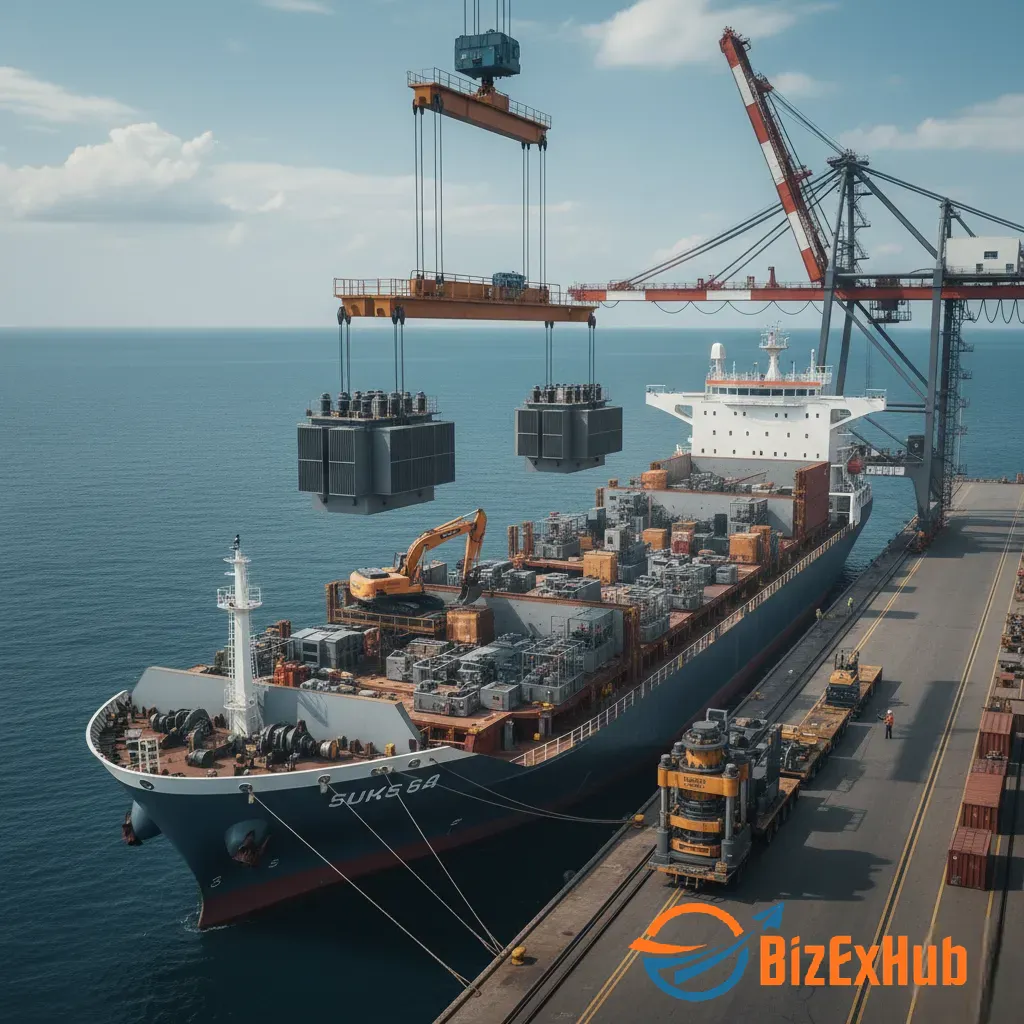
Machinery exports require careful handling and planning.
We recommend partnering with logistics providers experienced in heavy equipment exports.
Ensure:
-
Correct Incoterms (CIF, FOB, DDP, etc.)
-
Marine insurance coverage
-
Strong, rust-proof packaging and bracing
Tip: Share shipment tracking and insurance details with the buyer to build confidence.
Step 8: Manage Payments Safely
In our experience, secure payment methods make or break a successful export relationship.
We suggest:
-
Letter of Credit (LC) for new buyers
-
Advance payments for small orders
-
Export credit insurance (e.g., ECGC in India) to reduce risk
Maintain full banking records for smooth auditing and claim eligibility.
Step 9: After-Sales Support
Providing prompt after-sales service is what separates good exporters from great ones.
We’ve seen exporters retain long-term clients by:
-
Offering installation or video support
-
Providing spare parts quickly
-
Keeping regular communication with buyers
Step 10: Grow and Expand
After a few successful exports, scale your business:
-
List new machinery models on your portal profile
-
Share success stories and buyer testimonials
-
Explore new markets using portal insights and reports
-
Apply for export incentives such as RODTEP or EPCG
At [Your Portal Name], we regularly share trade leads, market trends, and new buyer demands — helping exporters grow faster with data-driven insights.
Final Thoughts
Exporting industrial machinery in 2025 is an exciting opportunity — global buyers are actively looking for reliable suppliers, especially those with proven experience and verified credentials.
Since 2015, we’ve been helping exporters connect with genuine buyers, manage inquiries, and build long-term international partnerships.
If you’re ready to expand your global reach, create your exporter profile on [Your Portal Name] today and start receiving verified inquiries from around the world.
Frequently Asked Questions about Exporting Industrial Machinery
Q1. What are the basic documents required to export machinery?
You’ll need a Commercial Invoice, Packing List, Bill of Lading or Airway Bill, Certificate of Origin, Insurance Certificate, and Export Declaration. Additional documents like inspection or quality certificates may be required depending on the destination country.
Q2. How can I find genuine buyers for my machinery exports?
The safest way is to use verified B2B platforms like [Your Portal Name], attend trade fairs, and connect through export promotion councils. Always verify buyer credentials before sharing final terms.
Q3. What are the most popular markets for exporting industrial machines in 2025?
Africa, Southeast Asia, and the Middle East continue to show strong demand for used and new construction, packaging, and agricultural machinery.
Q4. What payment methods are safest for exporters?
We recommend Letters of Credit (LCs) for new buyers, advance payments for small orders, and using export credit insurance (like ECGC in India) to reduce risk.
Q5. How can I list my machinery for export inquiries?
Simply register on [Your Portal Name], upload your product details, certifications, and images. Once verified, you’ll start receiving genuine buyer inquiries directly through our platform.
Q6. Do I need any special certification to export machines?
It depends on the destination market and product type. Common certifications include CE marking (for Europe), ISO standards, and safety compliance certificates.